Dilly beans

Dilly beans are one of the most popular fermentations among our CSA members and enjoyed by both young and old. It’s one of the easiest fermentations to make but takes time in other ways like the harvest and maturing time – I usually let this fermentation sit in the root cellar for at least three months before jarring – and then there’s the jarring process itself. Fitting long beans into short jars is a time-consuming task. This means that the majority of the work is done in winter when growers typically have more time.

Continue reading “Dilly beans”

The first harvest – the garden’s unintended biodiversity and other plants

The sun is shining, the birds are singing, and in the garden, the first nutrient-rich green leaves are popping up – no sowing or planting required: nettles and ground elder! Even in greenhouses, you may find some leafy greens.

Nettles

April and May are the best seasons for using nettles as a vegetable. With gloves on, pick the tender tops or 4-6 of the top leaves from larger plants. Later in the year, you can also harvest the immature and mature seeds and sprinkle them over muesli or use them in bread.

Continue reading “The first harvest – the garden’s unintended biodiversity and other plants”

Fermented rhubarb

Here’s how to do it: Cut the rhubarb stalks into 1 cm pieces, press them into a glass jar, and cover with a brine of 2-3% salt concentration (20-30g of salt per liter of water). Put on the lid and leave at room temperature for 4 days, burping if necessary, and then refrigerate. Place a small plate or a few Sweet cicely leaves on top to keep everything submerged under the liquid surface. I have added rosé pepper and Mexican tarragon/sweet mace with good results. Use it as a starter in pesto or in any recipe where you would normally use lemon juice, such as in hummus. If you find other recipes where rhubarb fits, please let me know and I’ll share them here!

Continue reading “Fermented rhubarb”

Salt and water

Brine is used in lacto-fermentation when you don’t want to grate or press the vegetables. Think cucumbers and green beans, mixed vegetables in large pieces (such as carrots, cauliflower, onions, and sugar snap peas), and even leaves and berries can be lacto-fermented this way. The brine should be quite salty because a lot of it will be absorbed by the vegetables, and you want to achieve a final salt concentration of 1-2% overall. I use a brine with 4% salt for most fermentations. Think of the sea – but the Atlantic rather than the Baltic. Unrefined fine sea salt from Denival (which can be purchased in a 20kg bag) works excellently. I choose this salt because it is not highly refined, has not gone through a lot of chemical processing and doesn’t contain anti-caking agents (I am not anti cake!). However, lacto-fermentation bacteria can handle most types of salt, so start with what you have at home.

Continue reading “Salt and water”

Cabbage kimchi

Kimchi is most commonly made with whole or halved Chinese (napa) cabbage, which is sliced just before serving. Since it is more common in Sweden to sell kimchi ready to eat in jars rather than whole, it can be helpful to chop the cabbage first if you’re aiming for production.

I use a mixture of chili and paprika, dried and ground, to create something similar to gochugaru, the Korean chili powder commonly used. It is both spicy and sweet. You can use a generous amount of chili or very little chili. Fresh chili also works well.

Continue reading “Cabbage kimchi”

Two ways to ferment your courgette / zucchini / summer squash

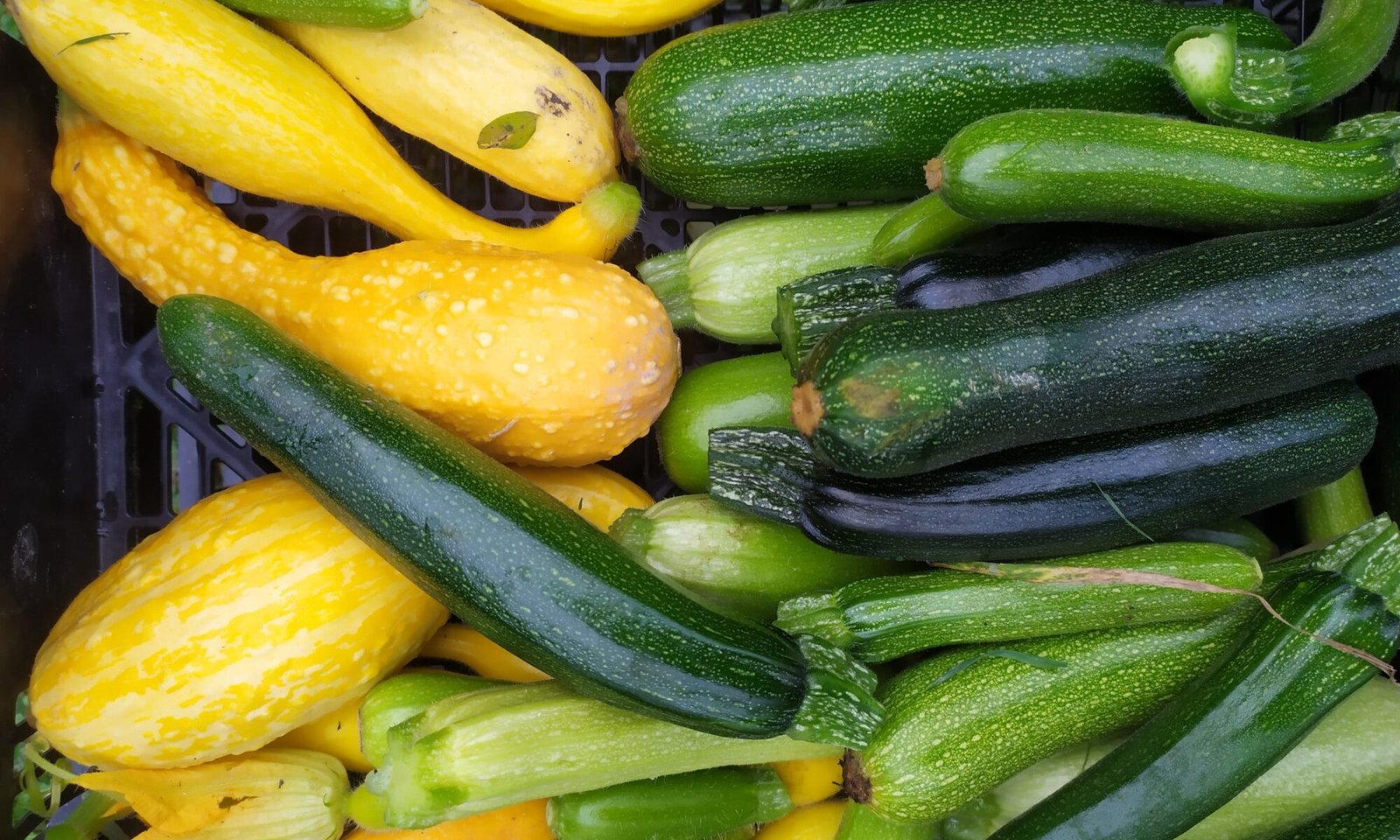
Courgette (zucchini) is incredibly rewarding to grow and can be delicious when lacto-fermented. Use medium-sized fruits and remove the developing seed cavity in the middle, otherwise, the fermentation can become mushy. Lacto-fermented squash is best consumed within a few months and generally doesn’t keep as well as sauerkraut or kimchi made from cabbage. I prefer the Zuboda variety as the skin stays tender, but most varieties will work.

Continue reading “Two ways to ferment your courgette / zucchini / summer squash”